
 010-6887654

010-6887654

Determining fatigue management in basketball
The user’s question is about avoiding fatigue collapse during basketball games, and I need to provide comprehensive advice. It seems they’re looking for guidance on various factors such as conditioning, pacing, nutrition, and recovery strategies. I could also mention tactical methods like defensive strategies and timeout management. Pre-season training and in-season maintenance are essential too. Perhaps I should consider some clarifying questions to make sure I fully address their needs!Structuring basketball fatigue management advice
I’m thinking it may be best to provide concise, actionable bullet points for managing fatigue in basketball. I’ll present scenarios for both single games and tournaments. While mentioning different roles on the court isn’t necessary, I should include in-game triggers and actions.
I’ll cover a pre-game fueling timeline with a clear structure split into “before,” “during,” and “after” the game. I want to keep it simple without overly formatting while staying within the general style guidelines. Let’s get started!Managing in-game energy effectively
I want to emphasize avoiding heavy strength training within 24-36 hours of a game to maintain optimal performance.
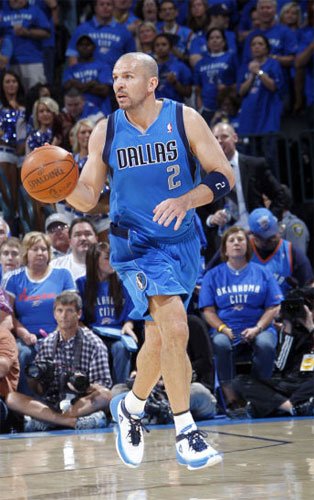
For energy management during the game, pacing is key—controlling tempo by walking the ball after made baskets and choosing when to press can help.
I’ll suggest having a substitution plan with pre-planned rotations, short bursts, and strategic use of timeouts. Plus, incorporating micro-recovery techniques, like focused breathing, can be effective for players during breaks. Let’s ensure this advice is clear and actionable!Enhancing performance on the court
I want to highlight the importance of maintaining tall posture for better ventilation, along with shaking out arms and doing small hops to stay relaxed.
For on-court efficiency, it's crucial to focus on the economy of movement and avoid watching the ball. Using small slides, early positioning, and calling switches can help avoid last-minute chases.
For in-game fueling, staying hydrated with 150-250 ml every timeout and incorporating carbs and electrolytes is key. During halftime, changing shirts and doing a cool-down followed by re-warming is also essential!Recovery and training strategies
I need to highlight the recovery process between games, which includes a cooldown walk for 10-15 minutes, legs up, and consuming protein (20-30 g) plus carbs within 30-60 minutes, taking a short nap, and focusing on mobility.
For training to reduce fatigue, building an aerobic base and doing various sprints and court-specific HIIT workouts are essential. I’ll also suggest a load management approach, emphasizing the importance of sleep and monitoring signs of impending fatigue during games.
Finally, I want to provide a quick game-day checklist and simple recommendations for amateur players.
核心策略
赛前24小时
比赛进行中
中场与赛后/多场制
平时训练(真正避免崩盘的根本)
简单可用的比赛日清单
需要的话告诉我你是打哪个位置、每场大概出场时间和比赛节奏,我给你定制轮换与补给方案。
010-6887654 扫描二维码
扫描二维码